NorCal Heavy Snow Transforms Northern California Landscape
Northern California, a region often celebrated for its diverse landscapes ranging from towering redwoods to sun-drenched valleys, has recently experienced an extraordinary weather event that brought unprecedented norcal heavy snow to remarkably low elevations. A powerful and dynamic storm system, laden with exceptionally cold air, swept across the region, painting familiar coastal towns and inland areas with an unfamiliar white blanket. This significant cold snap not only delivered stunning visuals but also presented unique challenges and highlighted the dramatic variability of California's weather patterns. From snow flurries dusting beachfronts to heavy accumulation in the foothills, this event has etched itself into the memories of NorCal residents.
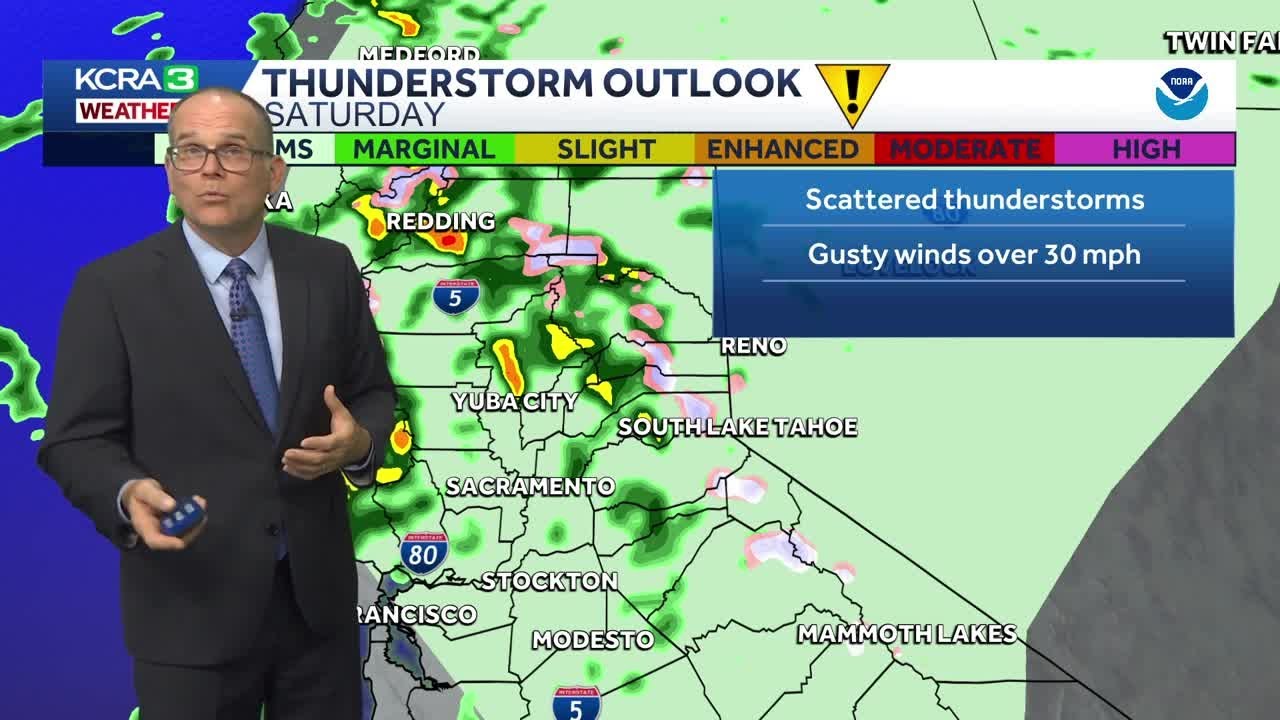
The intensity of this storm was underscored by the reports of snow falling at incredibly low altitudes along the far North Coast, including the Arcata-Eureka Airport, which sits a mere 200 feet above sea level. This phenomenon is a testament to the profound cold air associated with the low-pressure system, making it a truly exceptional occurrence. Beyond the visual spectacle of low-elevation snow, the storm unleashed heavy rainfall, strong winds gusting up to 50 mph across the wider NorCal area, and a general sense of winter's raw power. As residents grappled with the immediate impacts, meteorologists continued to monitor the falling snow levels, anticipating further drops overnight and even the possibility of sea-level snow once again in convective showers along the North Coast. This article delves into the specifics of this remarkable NorCal heavy snow event, its underlying meteorological causes, practical advice for navigating such conditions, and a look at what the future weather patterns hold for the Golden State.
Unprecedented Cold Snap: Snow Blankets Low Elevations Across NorCal
The recent weather system that gripped Northern California brought with it a dramatic and largely unexpected display of winter weather, most notably the widespread norcal heavy snow at elevations rarely accustomed to such an sight. The heart of this anomaly was a robust storm system carrying an exceptionally cold air mass, plunging temperatures to levels that allowed snow to form and fall far below typical snowlines. Imagine the surprise and wonder of residents along the far North Coast witnessing snowflakes gently (and sometimes not so gently) descending to ground level, with reports of snow even at the Arcata-Eureka Airport, an area barely above sea level at 200 feet.
This wasn't merely a fleeting flurry; throughout many parts of Northern California, significant snow levels were recorded. As the storm progressed, snow levels continued their downward trajectory, with forecasts indicating drops into the 1000-1500 foot range across much of NorCal overnight. In isolated areas, particularly where radiative cooling enhanced the effect of cold air advection, some locations even lower than 1000 feet briefly experienced snowfall. This extraordinary event was not confined to snow alone; heavy rainfall lashed other areas, and powerful winds, sometimes reaching gusts of 50 mph, added to the storm's intensity, creating hazardous conditions across the region. The cold air aloft also made small hail a near certainty in any convective elements, adding another layer to the dynamic weather system. This widespread impact, from coastal snow to mountain blizzards, truly underscored the power and unusual nature of this NorCal cold snap.
The Dynamics of a Winter Anomaly: Why NorCal Saw Such Low-Level Snow
Understanding why Northern California experienced such an unusual and impactful period of norcal heavy snow - Article 2 at low elevations requires a look into the complex atmospheric dynamics at play. This was not your typical California winter storm; it was characterized by a very "cold core" low-pressure system, meaning the frigid air extended unusually high into the atmosphere. This setup is crucial because it allows snow to form and persist at lower altitudes without melting. The core components contributing to this anomaly include:
- Extreme Cold Air Advection: The storm pulled down a deep mass of very cold air from higher latitudes, driving it southward into California. This continuous influx of cold air was a primary driver for the low snow levels.
- Convective Showers: The unstable post-frontal airmass offshore contained significant convective elements. These localized, intense showers can rapidly cool the atmosphere below them, allowing snow to fall even at sea level if the underlying air is cold enough. The reference even suggested the potential for brief sea-level snow on the North Coast in such showers.
- Radiative Cooling: In areas where clouds broke or thinned overnight, the ground rapidly radiated heat into space, leading to further cooling of the surface air. This radiative cooling combined with the already cold air advection could push snow levels even lower in specific microclimates.
- Presence of Unstable Air and Lightning Potential: The reference highlighted the presence of convective elements and an unstable airmass, noting that isolated thunderstorms were likely through Wednesday. While lightning reports were initially absent, the conditions were ripe for thundersnow, a rare but exciting phenomenon where thunder and lightning occur during a snowstorm. This instability also explains the near certainty of small hail in any storm activity, as cold air aloft supports the formation of ice pellets.
The combination of these factors created a rare atmospheric cocktail, transforming the NorCal landscape and offering a vivid demonstration of how specific meteorological conditions can lead to such dramatic and atypical weather events.
Navigating the Storm: Practical Tips for NorCal Residents
While the sight of norcal heavy snow - Article 3 at low elevations is breathtaking, it also brings a host of practical challenges and potential hazards. For residents unaccustomed to such conditions, preparedness is key. Here are some essential tips to help navigate the impacts of heavy snow, freezing temperatures, strong winds, and heavy rainfall:
Before the Storm:
- Emergency Kit: Assemble an emergency kit with non-perishable food, water, blankets, flashlights, extra batteries, a first-aid kit, and any necessary medications.
- Power Outage Preparedness: Charge all electronic devices. Have backup power sources like power banks or generators (and ensure safe operation). Know how to manually open garage doors.
- Vehicle Check: Ensure your vehicle's tires are properly inflated and have good tread. Consider installing snow chains if you live in or plan to travel through areas prone to heavy snow. Top off fluids and check antifreeze levels.
- Protect Pipes and Plants: Disconnect garden hoses and insulate outdoor pipes to prevent freezing and bursting. Bring sensitive plants indoors or cover them with frost cloths.
- Stay Informed: Monitor local weather forecasts, emergency alerts, and road conditions via reputable sources like the National Weather Service, Caltrans, and local news outlets.
During the Storm:
- Limit Travel: Avoid unnecessary travel. Roads can become slick with black ice, snow, or heavy rain. If you must drive, do so slowly, maintain increased following distances, and be aware of potential hazards like downed power lines or fallen trees.
- Layer Up: Dress in layers to stay warm, especially if power outages occur. Protect extremities like hands, feet, and head.
- Stay Hydrated and Fed: Ensure you and your family are consuming enough fluids and caloric intake to help your body regulate temperature.
- Carbon Monoxide Safety: If using alternative heating sources like fireplaces or generators, ensure proper ventilation to prevent carbon monoxide poisoning. Never run generators indoors or in enclosed spaces.
- Check on Neighbors: Especially elderly or vulnerable neighbors who may need assistance.
- Manage Snow and Ice: If safe, clear snow from driveways and walkways to prevent slips and falls. Be cautious of falling ice from roofs or trees.
By taking proactive steps and exercising caution, NorCal residents can minimize risks and stay safe during extraordinary winter weather events.
Beyond the Blizzard: A Glimpse into NorCal's Weather Future
As Northern California slowly emerges from the grip of this remarkable norcal heavy snow event, attention now shifts to the immediate aftermath and the longer-range forecast. The good news for many is a significant change in the atmospheric pattern on the horizon. Drier and considerably warmer weather is anticipated by Tuesday as a high-pressure system begins to build in from the south. This shift promises a rapid rebound in temperatures, with widespread highs potentially soaring into the 70s and even 80s by midweek. While this brings a welcome respite from the cold, it also introduces new considerations, particularly for areas that received substantial snow, as rapid melting could lead to localized flooding or increased stream flows.
However, the dynamic nature of California's weather means the reprieve might be short-lived. Meteorologists are already casting their gaze further ahead, to a system slated for next weekend, which is currently presenting a degree of uncertainty across different forecast models. The American GFS model suggests the potential for a fairly cold and expansive "cutoff low" to move into the state. Such a system could usher in another significant springtime convective event, bringing with it the possibility of intense thunderstorms, heavy rain, and potentially even more mountain snow. In contrast, the European ECMWF model indicates more of an "inside slider-type" system, which typically brings colder, drier air and less precipitation, though still capable of producing some impacts.
The discrepancy between these models highlights the challenges of long-range forecasting, especially in the transition seasons. The unfolding of this next system will be closely monitored, as its impact could range from relatively minor to another memorable weather episode. For a deeper dive into past extreme weather events in the region and how such atmospheric patterns develop, check out norcal heavy snow - Article 2. And to understand how these intense weather systems and their associated atmospheric rivers impact local communities and infrastructure, read norcal heavy snow - Article 3. The coming week will undoubtedly reveal which model solution prevails, continuing NorCal's tradition of diverse and often dramatic weather.
Conclusion
The recent episode of norcal heavy snow stands as a vivid reminder of the sheer power and unpredictable nature of Northern California's weather. From snow dusting coastal airport runways to strong winds and heavy rains sweeping through valleys, this dynamic storm captivated and challenged residents across the region. It underscored the importance of preparedness, adaptability, and staying informed in the face of rapidly changing meteorological conditions. While the immediate forecast promises a much-needed warming trend and drier conditions, the long-range outlook suggests that NorCal's weather story is far from over, with potential for further significant events in the coming weeks. As always, keeping an eye on official forecasts and understanding the unique dynamics of this diverse state will be crucial for all who call Northern California home.