NorCal Heavy Snow: An Extraordinary Weather Event Grips Northern California
Northern California has been gripped by an extraordinary weather event, delivering conditions rarely witnessed outside the high Sierra. This isn't just another winter storm; it's a dynamic system packing a punch of very cold air, heavy rainfall, and strong winds, creating a truly memorable period for residents. The term "norcal heavy snow" has taken on a new meaning, as snow has fallen at elevations so low they've stunned meteorologists and locals alike. From coastal communities experiencing a dusting to inland areas bracing for significant accumulation, this storm has redefined what Northern Californians expect from winter weather, even as spring approaches. Understanding the unique characteristics of this system, its immediate impacts, and what lies ahead is crucial for navigating these unprecedented conditions.The Unprecedented Chill: Low-Elevation Snow Shocks NorCal
The most striking feature of this powerful storm system has undoubtedly been the remarkably low elevation at which snow has been reported. Imagine seeing snow flurries not in the mountains, but along the Pacific coastline. This is precisely what unfolded across the far North Coast, with snow reported at the Arcata-Eureka Airport, an astonishing 200 feet above sea level. This phenomenon is a direct result of the storm's extremely cold airmass, which has plummeted temperatures to unusually low levels for the region. Throughout the afternoon, as the storm progressed, snow levels continued to fall, transforming landscapes that rarely see a white blanket. Overnight, the conditions were ripe for snow to briefly fall at sea level once again, particularly in convective showers along the North Coast. For the rest of Northern California, snow levels were anticipated to drop into the 1000-1500 foot range, with some specific locations potentially seeing snow at even lower elevations due to radiative cooling and persistent cold air advection. This extraordinary event highlights the dynamic nature of weather systems that bring Arctic-like conditions to temperate zones, challenging conventional expectations and requiring vigilance from residents. For a deeper dive into how NorCal's weather patterns can shift so dramatically, you might find norcal heavy snow - Article 1 insightful.Beyond the Snow: Widespread Impacts Across Northern California
While the novelty of low-elevation snow has captured much of the attention, the storm's reach extended far beyond picturesque flurries. The entire Northern California region experienced a barrage of adverse weather, creating significant hazards and disruptions.- Heavy Rainfall: Throughout much of NorCal, heavy rainfall was a dominant feature. While beneficial for drought relief, intense precipitation can quickly lead to localized flooding, especially in urban areas and along creek beds, posing risks to infrastructure and travel.
- Strong Winds: Gusts up to 50 mph were reported, creating dangerous conditions. These strong winds can cause downed trees, power outages, and make driving extremely perilous, particularly for high-profile vehicles. Securing outdoor items became a critical preparatory step for many.
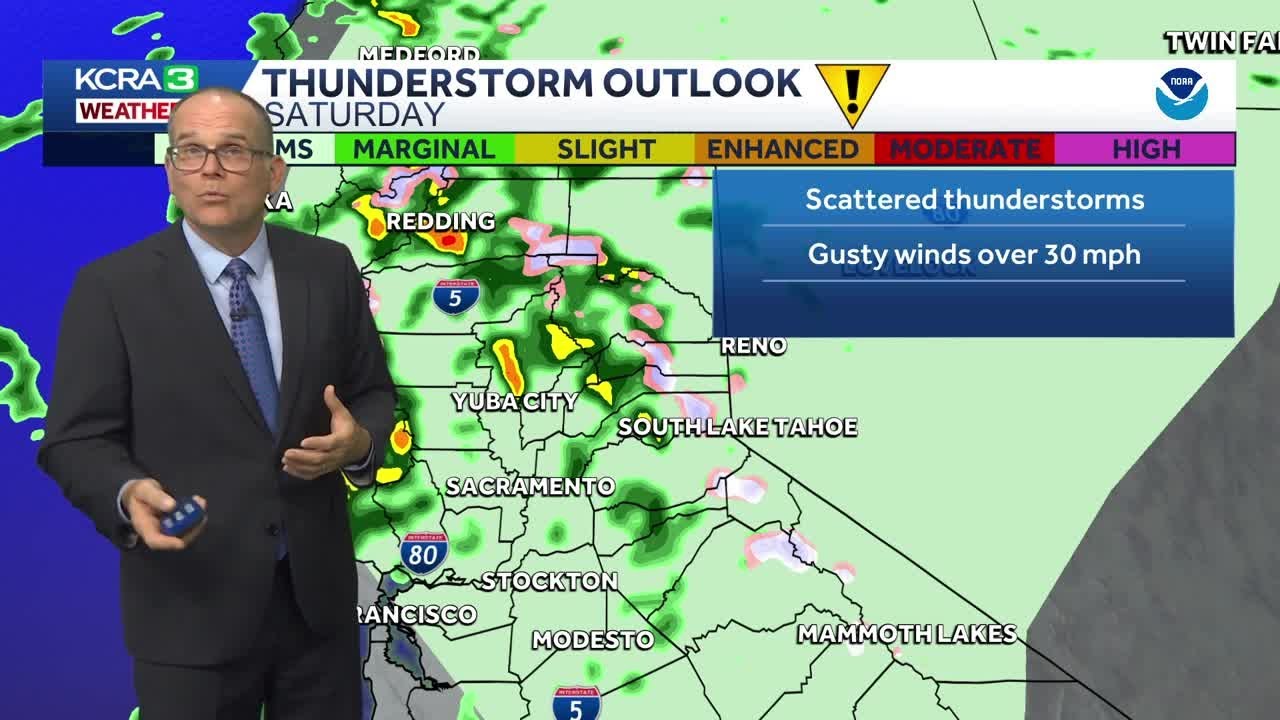
- Convective Elements and Thunderstorms: The presence of convective elements within the frontal band and the unstable post-frontal airmass offshore meant that isolated thunderstorms were likely to develop and persist through Wednesday. These storms bring their own set of risks, including lightning strikes.
- Hail: Due to the exceptionally cold air aloft, small hail was a near certainty in any of the storm's showers. This adds another layer of complexity for drivers and can contribute to slick road conditions.
Navigating the Storm: Essential Safety and Preparedness Tips
When faced with dynamic weather like this "norcal heavy snow" event, preparedness and quick action are paramount. Residents across Northern California must prioritize safety, not just during the peak of the storm but also in its aftermath.Before the Storm Hits: Proactive Measures
Monitoring weather forecasts diligently is your first line of defense. Pay close attention to local alerts and warnings. Here’s what else you should do:
- Secure Outdoor Items: Strong winds can turn loose objects into projectiles. Bring in patio furniture, trash cans, and anything else that could be blown away.
- Charge Devices: Ensure your cell phone, laptops, and power banks are fully charged in case of power outages.
- Prepare an Emergency Kit: Have flashlights, extra batteries, a first-aid kit, non-perishable food, and water readily accessible.
- Stay Informed: Follow reliable weather sources and local news for real-time updates.
During the Storm: Staying Safe
The safest place to be during severe weather is indoors. Minimize travel and follow these guidelines:
- Avoid Unnecessary Travel: Roads can become treacherous due to snow, ice, heavy rain, and debris from strong winds. If you must drive, be aware of road closures and proceed with extreme caution.
- Watch for Falling Trees and Power Lines: Strong winds can fell trees and snap power lines. Stay away from downed lines and report them immediately to emergency services.
- Report Outages: If your power goes out, report it to your utility provider.
- Check on Neighbors: Especially elderly or vulnerable neighbors, ensure they are safe and have what they need.
Driving in Adverse Conditions: Specific Advice
If travel is unavoidable, remember that driving in snow, heavy rain, or hail requires a significant shift in habits:
- Slow Down: Reduce your speed drastically. It takes much longer to stop on wet or icy roads.
- Increase Following Distance: Give yourself plenty of space between your vehicle and the one in front of you.
- Use Low Beams: Fog lights or low beams are essential in heavy precipitation to improve visibility for yourself and others. Avoid high beams, which can reflect off snow/rain and worsen visibility.
- Avoid Cruise Control: On wet or slick surfaces, cruise control can make you lose control of your vehicle.
For more detailed storm preparedness strategies and ongoing updates, refer to norcal heavy snow - Article 2.